
In today’s fast-paced world, the intersection of crime news, weather events, and natural disasters has become increasingly relevant. As communities face the dual threats of violent crime and severe weather conditions, understanding these dynamics can be crucial for public safety and preparedness. More than ever, journalists, researchers, and citizens alike are seeking insider insights that can provide clarity and context in these chaotic situations. But how does one qualify for exclusive crime news insights related to weather and natural disasters? This article aims to unravel the complexities of this niche, guiding you through the process of gaining access to vital information that can save lives and inform communities. From understanding the role of investigative journalism to leveraging technology and networking, we will explore each avenue to ensure you have the tools to navigate these challenging landscapes effectively. Join us as we delve into the critical elements that will empower you to unlock insider access to exclusive insights on crime news in relation to weather and natural disasters.
The Importance of Weather and Natural Disasters in Crime Reporting
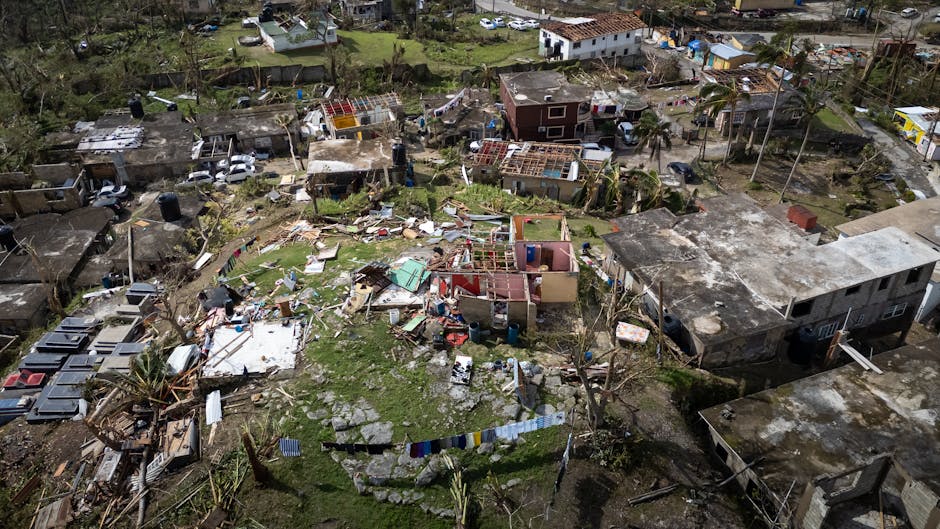
Understanding the relationship between weather events and crime is essential for accurate reporting. Weather conditions can significantly influence criminal activity; for example, extreme heat can lead to an increase in violent crime rates. Natural disasters, such as hurricanes or floods, can also create chaos that facilitates criminal behavior, from looting to fraud. Journalists must be equipped to analyze these patterns and report them responsibly. The ability to link weather phenomena with crime trends provides a more comprehensive view of public safety. Additionally, this knowledge can help law enforcement agencies and community organizations prepare for potential crises, ensuring that resources are allocated effectively. By recognizing the interplay between these factors, journalists can offer valuable insights that foster informed discussions and robust community responses. It is this nuanced understanding that opens the door to exclusive crime news insights.
Building a Network of Sources
One of the most effective ways to qualify for insider access to crime news insights is by building a reliable network of sources. This network can include law enforcement officials, emergency management professionals, and meteorologists who share valuable information about crime trends and weather conditions. Establishing relationships with these individuals often requires attending relevant conferences, community meetings, and public forums. Engaging with these professionals allows you to gain firsthand knowledge and insights that may not be available to the general public. Additionally, utilizing social media platforms to connect with experts can enhance your network. For example, following local police departments and weather agencies on Twitter can lead to real-time updates and exclusive information. The more established your network, the more likely you are to receive critical insights that can inform your reporting and provide a deeper understanding of how weather and natural disasters impact crime.

Leveraging Technology for Real-Time Insights
In today’s digital age, leveraging technology is crucial for gaining access to exclusive crime news insights. Various applications and platforms provide real-time data on weather conditions, natural disasters, and crime incidents. Tools such as GIS mapping can help visualize crime trends in relation to weather patterns, allowing for a more informed analysis. Furthermore, social media platforms can serve as valuable resources for breaking news and community reports. By setting up alerts and following relevant hashtags, journalists can stay informed about unfolding events. Additionally, subscribing to specialized crime and weather databases can enhance your research capabilities. For instance, accessing databases like the National Weather Service or local crime reports can provide critical data that may aid in understanding the correlation between crime rates and weather events. Harnessing these technological resources equips you with the knowledge to deliver timely and accurate crime news insights.
Analyzing Historical Data
Another crucial aspect of qualifying for exclusive crime news insights is the analysis of historical data. Understanding past crime trends during specific weather events can provide invaluable context for current situations. For example, examining how crime rates fluctuated during past hurricanes can highlight patterns that may occur during future storms. By utilizing publicly available crime statistics and weather reports, you can create a comprehensive picture of how these elements interact over time. Additionally, collaborating with researchers or academic institutions can enhance your analysis, providing access to specialized studies and resources. For instance, a partnership with a local university may yield insights into how socioeconomic factors influence crime rates during severe weather conditions. This historical perspective not only enriches your reporting but also helps communities prepare for potential future crises by anticipating crime-related challenges.
Understanding Legal Implications
To unlock exclusive crime news insights, it’s essential to understand the legal implications surrounding crime reporting, especially in the context of weather and natural disasters. Privacy laws and regulations dictate what information can be disclosed, particularly concerning ongoing investigations or sensitive data. Familiarizing yourself with Freedom of Information Act (FOIA) requests can empower you to access public records that may contain valuable insights. For example, obtaining police reports related to crime incidents during a natural disaster can provide a clearer picture of the situation. Additionally, understanding the ethical considerations in reporting—such as respecting the privacy of victims and being cautious about sensationalism—is paramount. Journalists must balance the public’s right to know with their responsibility to report with integrity. By navigating these legal and ethical landscapes skillfully, you can ensure that your insights are not only exclusive but also responsible and credible.
Engaging with the Community
Community engagement is a vital component of unlocking insider access to crime news insights. By connecting with local residents, organizations, and community leaders, you can gather firsthand accounts and perspectives on how weather events and natural disasters affect crime. Hosting community forums or attending local events can facilitate discussions that yield valuable information. Furthermore, citizen journalism has become a powerful force in reporting, as individuals often share their experiences on social media platforms. Encouraging community members to share their stories can provide you with unique insights that may not be captured through traditional reporting methods. For instance, during a recent flood, local residents might report instances of looting, enabling you to piece together a more comprehensive narrative. Engaging with the community not only enhances your reporting but also fosters trust and transparency, essential elements for responsible journalism.
Staying Informed and Continuing Education
The landscape of crime reporting in relation to weather and natural disasters is continually evolving. Therefore, staying informed through ongoing education is crucial for gaining exclusive insights. Participating in workshops, webinars, and training programs focused on crime analysis, weather patterns, and disaster response can enhance your knowledge and skill set. Many organizations offer certifications and courses that delve into the intricacies of reporting on these topics. For example, programs that focus on disaster journalism can arm you with the necessary tools to cover such events responsibly and effectively. Additionally, subscribing to industry publications and blogs can keep you updated on the latest trends and research in crime and weather reporting. By committing to lifelong learning, you position yourself as an informed journalist capable of delivering exclusive insights that resonate with your audience.
Conclusion
In conclusion, unlocking insider access to exclusive crime news insights related to weather and natural disasters requires a multifaceted approach. By building a robust network of sources, leveraging technology, analyzing historical data, understanding legal implications, engaging with the community, and committing to ongoing education, you can position yourself as a credible and informed reporter in this critical field. The interplay between crime and weather events is complex, but with the right tools and strategies, you can provide invaluable insights that inform public safety and foster community resilience. As you navigate this landscape, remember that the goal is not just to report on events but to empower communities with the knowledge they need to protect themselves and respond effectively to crises.

Related Posts