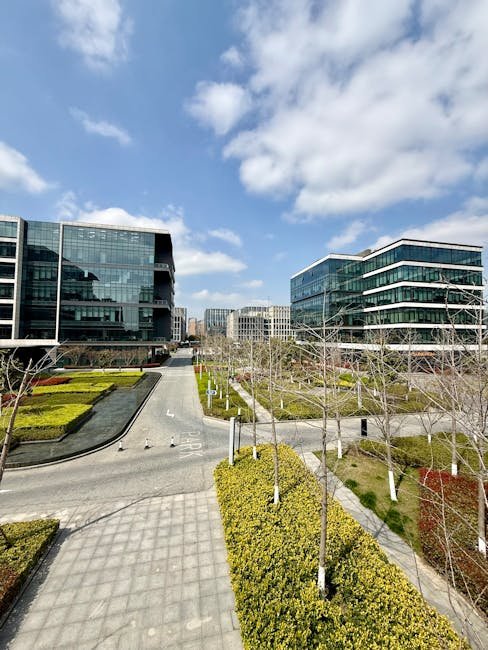
The intersection of technology, science, and real estate is a rapidly evolving landscape that presents exciting opportunities for investors, homeowners, and industry professionals alike. As the real estate market continues to adapt to advancements in technology and scientific research, staying informed becomes crucial for making educated decisions. This comprehensive guide aims to illuminate the latest trends and breakthroughs at this intersection, providing you with valuable insights that can shape your understanding of the real estate landscape. From innovative building materials to the impact of AI and data analytics on property valuation, this article will explore key developments that are reshaping the industry. Furthermore, we will examine the implications of environmental science on real estate, delving into sustainable practices and green building initiatives that are gaining traction. Whether you’re a seasoned investor or a curious homeowner, this guide will equip you with the knowledge to navigate the complexities of merging technology, science, and real estate news.
The Role of Technology in Modern Real Estate
Technology has revolutionized the real estate sector in numerous ways, enhancing efficiency, accessibility, and transparency. The advent of online listing platforms has made it easier for buyers and sellers to connect, while virtual tours and drone photography allow for immersive property exploration without the need for physical visits. Moreover, the use of big data analytics enables real estate professionals to assess market trends and consumer behavior more accurately, optimizing decision-making processes. For instance, companies like Zillow and Redfin leverage algorithms to provide real-time property valuations, empowering buyers with critical information. Additionally, blockchain technology is making waves by offering secure, transparent transactions, which can significantly reduce fraud risk and streamline the closing process. As more tech-driven solutions emerge, the real estate market is poised for continued transformation, making technology an essential component of the industry.

Scientific Innovations in Construction Materials
Scientific advancements in construction materials are paving the way for more sustainable and resilient buildings. Researchers are developing innovative materials that not only enhance structural integrity but also reduce environmental impact. For example, self-healing concrete, which contains bacteria that can repair cracks when exposed to water, is gaining traction in construction projects. This material extends the lifespan of structures and reduces maintenance costs. Additionally, timber-based products like cross-laminated timber (CLT) are being adopted for their sustainability and aesthetic appeal. CLT is not only carbon negative but also offers a lightweight alternative to traditional materials, making it easier to transport and assemble. These advancements signify a shift towards eco-friendly practices in construction, highlighting the importance of integrating science into real estate development. As sustainability becomes a priority, embracing these innovations will be essential for the future of the industry.
Artificial Intelligence and Big Data in Real Estate
Artificial intelligence (AI) and big data are transforming the way real estate professionals analyze and interpret market dynamics. With the help of machine learning algorithms, AI can predict housing market trends, identify investment opportunities, and even assist in property management. For instance, companies like Opendoor utilize AI to streamline the buying and selling process, providing instant offers to sellers based on comprehensive data analysis. Furthermore, big data tools enable real estate agents to analyze vast amounts of information, from demographic trends to economic indicators, to make informed decisions. Predictive analytics can help agents determine the best time to list a property or target specific buyer segments. As the capabilities of AI and big data continue to evolve, their impact on the real estate industry will only grow, providing professionals with an edge in a competitive market.
The Impact of Environmental Science on Real Estate Development
Environmental science plays a critical role in shaping real estate development, especially as climate change becomes an increasingly pressing issue. Developers are now more aware of the need to assess environmental impacts before commencing projects. This includes understanding local ecosystems, assessing flood risks, and ensuring compliance with environmental regulations. For example, the LEED (Leadership in Energy and Environmental Design) certification program encourages builders to implement sustainable practices, such as using renewable energy sources and optimizing water usage. Furthermore, cities are adopting zoning laws that prioritize green spaces and encourage sustainable urban development. Real estate professionals must consider these environmental factors, as properties located in eco-friendly developments are often more attractive to buyers and can command higher prices. By integrating environmental science into real estate strategies, stakeholders can contribute to a more sustainable future while enhancing property value.

Smart Homes and IoT in Real Estate
The rise of smart home technology and the Internet of Things (IoT) is reshaping the way homeowners interact with their properties. Smart devices, such as thermostats, security systems, and lighting controls, allow homeowners to manage their environments remotely, enhancing convenience and energy efficiency. For example, smart thermostats can learn a household’s schedule and adjust heating and cooling settings accordingly, resulting in lower utility bills. Real estate developers are increasingly incorporating smart home features into new constructions, appealing to tech-savvy buyers and renters. Moreover, smart home technology can enhance property security and provide homeowners with peace of mind. As the demand for connected living spaces grows, real estate professionals must stay informed about the latest IoT innovations and their implications for property valuation and marketability. This trend represents a significant shift in consumer preferences, making smart homes a critical focus area for the future.
Regulatory Changes and Their Influence on Real Estate
The Future of Real Estate: Trends to Watch
As technology, science, and real estate continue to intertwine, several emerging trends warrant attention. One significant trend is the rise of remote work, which has altered housing demand patterns, with many individuals seeking homes in suburban or rural areas. This shift presents unique opportunities for real estate investors to explore properties in previously overlooked markets. Additionally, the growing emphasis on sustainability is likely to drive demand for green buildings and eco-friendly developments. The integration of renewable energy solutions, such as solar panels, will also become a key selling point for properties. Furthermore, advancements in virtual reality (VR) and augmented reality (AR) technologies will continue to enhance how buyers experience properties, providing immersive walkthroughs that can streamline the buying process. By keeping a close eye on these trends, real estate professionals can better position themselves for success in an ever-evolving market.
Conclusion
In conclusion, the convergence of technology, science, and real estate is creating a dynamic landscape that offers both challenges and opportunities. By understanding the latest advancements—from innovative construction materials to AI-driven analytics—stakeholders can make informed decisions that enhance their success in the market. As environmental considerations and smart technologies become more integral to real estate development, professionals must adapt to these changes to stay competitive. The future of real estate will undoubtedly be shaped by these intersections, and those who embrace these insights will be well-equipped to navigate the complexities of this evolving industry. Whether you are an investor, a homeowner, or a real estate professional, staying informed about these trends will empower you to make strategic choices that align with the future of real estate.

Related Posts