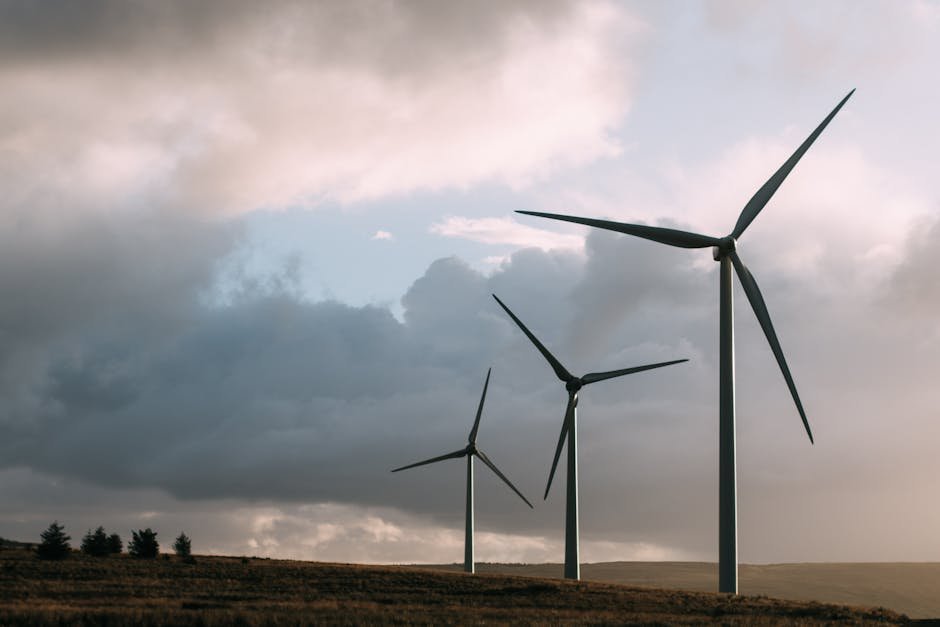
As we venture into 2025, the interplay between economic trends and climate change has become increasingly pronounced. The global landscape is shifting, influenced by technological advancements, policy changes, and the urgent need for sustainable practices. This article delves into the key economic trends that are poised to reshape the energy sector and climate change discourse. From the rise of renewable energy sources to the integration of artificial intelligence in energy management, these developments are not only transforming industries but also influencing public perception and policy-making. Furthermore, the economic ramifications of climate change are becoming more evident, prompting governments and corporations to adapt or risk obsolescence. As we explore these trends, we will highlight specific examples and case studies that illustrate the significant changes taking place across the globe. Understanding these dynamics is crucial for stakeholders in energy, finance, and environmental sectors as they navigate the complexities of a world increasingly focused on sustainability.
The Shift Towards Renewable Energy Adoption
In 2025, the transition towards renewable energy sources, such as wind, solar, and hydroelectric power, continues to accelerate. Nations worldwide are investing heavily in these technologies, motivated by both economic benefits and environmental imperatives. For example, the International Renewable Energy Agency (IRENA) reported that global renewable energy capacity reached 3,000 gigawatts in 2024, representing a significant increase from previous years. Countries like Germany and China have led the way in solar energy installations, with solar power becoming one of the most cost-effective energy sources available. This shift is not just due to environmental concerns; it is also economically driven. The declining costs of renewable technologies and increasing energy demands are creating a favorable environment for investment. Additionally, job creation in the renewable sector is outpacing that of fossil fuels, further solidifying the shift as a cornerstone of modern economic strategy.

Decarbonization and Corporate Responsibility
As climate change impacts become more pronounced, corporate responsibility in decarbonization is taking center stage in 2025. Major corporations are setting ambitious targets to reduce their carbon footprints, often committing to net-zero emissions by 2050 or earlier. For instance, tech giants like Microsoft and Google have not only pledged to operate on 100% renewable energy but are also investing in carbon capture technologies to offset their emissions. This trend is driven by consumer demand for sustainability and regulatory pressures from governments aiming to meet international climate agreements, such as the Paris Accord. Furthermore, businesses recognize that sustainable practices can lead to cost savings and improved brand loyalty. The financial sector is also responding by increasing investments in green bonds and sustainable funds, indicating a broader acceptance of environmental, social, and governance (ESG) criteria in investment decisions. This shift highlights the growing recognition that long-term profitability is inextricably linked to environmental stewardship.

The Role of Artificial Intelligence in Energy Management
Artificial Intelligence (AI) is revolutionizing energy management in 2025, enabling more efficient and effective use of resources. AI technologies are being implemented to optimize energy consumption, predict demand, and facilitate the integration of renewable energy sources into existing grids. Companies like Siemens and GE are utilizing AI algorithms to enhance grid management, enabling better load balancing and reduced energy waste. For example, AI can analyze real-time data from smart meters to forecast energy demand accurately, allowing energy providers to adjust supply accordingly. Additionally, AI is playing a critical role in energy storage solutions, improving battery management systems that store renewable energy for later use. The convergence of AI and energy management not only enhances operational efficiency but also significantly reduces greenhouse gas emissions, positioning AI as a crucial player in the fight against climate change. As these technologies evolve, they promise to unlock new levels of sustainability across various sectors.
Investment Trends in Green Technologies
Climate Finance and Economic Resilience
Climate finance, the funding directed towards projects and initiatives aimed at combating climate change, is gaining traction in 2025 as a cornerstone of economic resilience. Governments, international organizations, and private investors are increasingly channeling funds into climate adaptation and mitigation projects. The Green Climate Fund has mobilized billions to support developing countries in their transition to low-carbon economies, demonstrating the importance of global cooperation in addressing climate challenges. In addition to government initiatives, private-sector investments in climate-resilient infrastructure are becoming more prevalent. For instance, cities are investing in green infrastructure, such as urban parks and flood defenses, to enhance their resilience against climate impacts. This trend reflects an understanding that proactive investment in climate resilience not only mitigates risks but also stimulates economic growth by creating jobs and fostering innovation. As climate finance continues to expand, it reinforces the notion that addressing climate change is integral to achieving long-term economic stability.
Public Policy and International Cooperation
Public policy is a critical factor in shaping the future of energy and climate change initiatives in 2025. Governments are increasingly recognizing the need for robust policies that promote sustainable practices and reduce emissions. Legislation aimed at carbon pricing, such as cap-and-trade systems, is being adopted by various nations to incentivize emissions reductions. Furthermore, international cooperation is vital in addressing climate change, with countries engaging in multilateral agreements to share technology and resources. The recent COP negotiations have seen countries commit to more aggressive climate targets, with developed nations pledging financial assistance to developing countries for climate adaptation efforts. This collaborative approach highlights the shared responsibility in combating climate change and the recognition that addressing this global challenge requires coordinated action. As public policies evolve, they will play a pivotal role in driving the transition to a sustainable economy and fostering international solidarity in the face of climate challenges.
Conclusion
As we navigate through 2025, the key economic trends transforming energy and climate change news are becoming increasingly evident. The shift towards renewable energy, corporate responsibility in decarbonization, the integration of artificial intelligence, and the rise of climate finance are just a few of the elements driving this transformation. Moreover, public policy and international cooperation are crucial in fostering a sustainable future. These trends not only highlight the urgent need for action against climate change but also present significant economic opportunities for innovation and growth. As stakeholders across sectors adapt to these changes, the path towards a sustainable economy becomes clearer, paving the way for a resilient, green future that benefits both people and the planet.

Related Posts