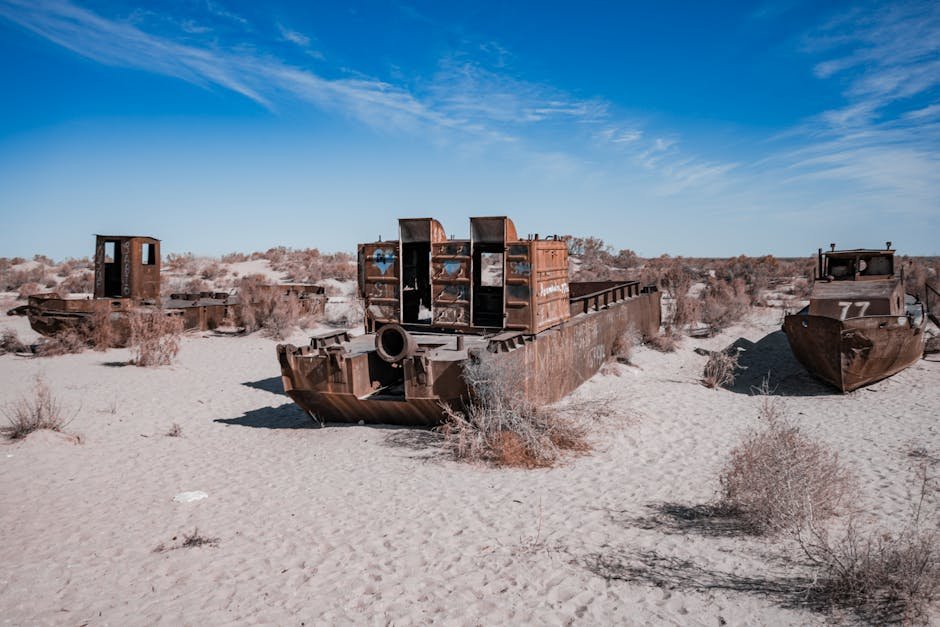
As we venture into 2025, the interplay between weather patterns, natural disasters, and economic stability has become increasingly pronounced. Climate change continues to reshape our world, influencing everything from agricultural productivity to infrastructure resilience. The economic implications of these shifts are far-reaching, affecting both local communities and global markets. With extreme weather events on the rise, businesses and governments are forced to adapt to an evolving landscape marked by unpredictability. This article explores the key economic trends for 2025, focusing on how weather-related phenomena and natural disasters are influencing various sectors. By examining recent case studies and expert projections, we aim to provide a comprehensive overview of the anticipated impacts on the economy. Understanding these trends is crucial for stakeholders at all levels, enabling them to make informed decisions in the face of uncertainty. As we delve into these insights, we will highlight the importance of preparedness and resilience in mitigating the economic fallout from natural disasters.
The Rise of Extreme Weather Events
In recent years, the frequency and intensity of extreme weather events have surged, leading to significant economic consequences. According to the National Oceanic and Atmospheric Administration (NOAA), the United States alone experienced over 22 billion-dollar weather disasters in 2023. As we move into 2025, this trend is expected to continue, with rising global temperatures contributing to more severe storms, floods, and heatwaves. These extreme weather events disrupt supply chains, damage infrastructure, and lead to increased insurance claims. For instance, Hurricane Ida in 2021 caused billions in damages across several states, highlighting the vulnerability of many regions to such disasters. Economists predict that businesses in industries like agriculture and retail could see substantial losses due to fluctuating weather patterns, necessitating a reevaluation of risk management strategies. Companies are increasingly investing in climate-resilient infrastructure and adopting adaptive practices to mitigate potential losses in this unpredictable environment.

Impact on Agriculture and Food Security
The agricultural sector is particularly sensitive to climate variability, and as weather patterns shift, so too does food security. In 2025, farmers will likely face challenges stemming from unpredictable rainfall, droughts, and extreme temperatures. For example, the severe droughts in California have already resulted in reduced crop yields, affecting both local economies and national food supply chains. As a response, farmers are increasingly turning to sustainable practices, such as precision agriculture and drought-resistant crops, to bolster resilience against climate impacts. Additionally, the rising cost of inputs like water and fertilizer due to climate change will further strain agricultural profitability. As the global population continues to grow, ensuring food security will become paramount. Governments and organizations must invest in agricultural research and development to foster innovation and sustainability, ensuring that food systems can withstand the pressures of a changing climate.
Infrastructure and Urban Resilience
Urban areas are facing unprecedented challenges related to climate change and natural disasters. The increasing frequency of flooding, wildfires, and heatwaves necessitates a reevaluation of urban infrastructure. Major cities, particularly those situated along coastlines or in flood-prone regions, are investing heavily in resilience strategies to protect against these threats. For example, New York City has implemented extensive flood defense systems following Hurricane Sandy, while Miami is elevating roads and improving drainage systems to combat sea-level rise. The economic implications of these investments are significant; cities that proactively enhance their resilience can reduce future disaster recovery costs and maintain attractive environments for businesses and residents. However, the financial burden of upgrading infrastructure can be daunting, and cities must balance short-term expenses with long-term benefits. Policymakers and urban planners must prioritize sustainable development to create resilient cities that can withstand the impacts of climate change.
The Insurance Industry’s Response
The insurance industry plays a crucial role in cushioning the economic impacts of natural disasters. As extreme weather events become more frequent, insurers are reevaluating their risk models and coverage policies. In 2025, we can expect a significant shift towards more comprehensive insurance products that incorporate climate risk assessments. For example, some companies are already offering policies that incentivize homeowners to invest in resilience measures, such as flood barriers or fire-resistant materials. However, rising claims from natural disasters may lead to increased premiums and reduced coverage options, particularly in high-risk areas. This creates challenges for both consumers and insurers, as affordability and accessibility become pressing concerns. To address these issues, the industry must innovate through technology and data analytics, allowing for better risk prediction and management. Collaboration between governments, insurers, and the private sector will be essential in creating a sustainable insurance landscape that adequately protects against the escalating risks posed by climate change.

The Role of Technology in Mitigation and Adaptation
Advancements in technology are playing a pivotal role in mitigating the economic impacts of weather and natural disasters. As we approach 2025, innovations in data analytics, artificial intelligence, and remote sensing are revolutionizing how we understand and respond to climate challenges. For instance, satellite technology allows for real-time monitoring of weather patterns and agricultural conditions, enabling farmers to make informed decisions that enhance crop resilience. Similarly, predictive analytics can help businesses anticipate supply chain disruptions and adjust operations accordingly. In urban planning, smart city technologies are being employed to improve infrastructure resilience and emergency response systems. These technological advancements not only aid in disaster preparedness but also create new economic opportunities in sectors focused on sustainability and climate adaptation. As businesses and governments increasingly recognize the importance of integrating technology into their strategies, we can expect to see a shift toward more resilient economic frameworks capable of withstanding climate-related disruptions.
Global Trade and Supply Chain Disruptions
The interconnectedness of the global economy means that weather-related disruptions can have cascading effects across borders. In 2025, companies must navigate an increasingly volatile landscape where natural disasters can halt production and delay shipments. For example, the COVID-19 pandemic highlighted vulnerabilities in global supply chains, and extreme weather events like typhoons or wildfires can exacerbate these issues. As regions recover from disasters, businesses may face increased costs and delays, affecting pricing and availability of goods. This prompts many companies to reevaluate their supply chain strategies, considering diversification and localized sourcing to minimize risks. Additionally, trade policies may evolve in response to climate impacts, with countries prioritizing sustainability and resilience in their import and export practices. By fostering collaboration and adopting adaptive supply chain management practices, businesses can better position themselves to thrive in an economy increasingly influenced by weather phenomena and natural disasters.
Conclusion
The economic landscape of 2025 will be profoundly shaped by the impacts of weather and natural disasters. As we have explored, these phenomena affect various sectors, from agriculture to insurance, and influence global trade dynamics. The rising frequency of extreme weather events necessitates a proactive approach to resilience and adaptation, with technology playing a crucial role in mitigating risks. Policymakers, businesses, and communities must work together to create sustainable strategies that address the challenges posed by climate change. By investing in infrastructure, embracing innovative technologies, and fostering adaptive practices, we can build a more resilient economy capable of withstanding the uncertainties of the future. Understanding these economic trends is essential for navigating the complexities of a world increasingly defined by its climate challenges.

Related Posts